The Benefits of Hydrating Facial Treatments for Glowing Skin
Table Of Contents
The Role of Humectants in Hydrating Facials
Humectants are essential components in skincare that attract moisture from the environment and draw it into the skin. Common ingredients include glycerin, hyaluronic acid, and aloe vera. These substances are capable of holding multiple times their weight in water, making them effective in combating dryness and enhancing hydration levels. When incorporated into hydrating facials, humectants provide an immediate plumping effect, resulting in smoother and more elastic skin.
The presence of humectants in a hydrating facial not only improves moisture retention but also creates a protective barrier against external aggressors. This barrier helps to keep the skin hydrated for a longer duration, making it an ideal choice for those with dry or dehydrated skin. Additionally, these treatments can enhance the penetration of other active ingredients, amplifying the overall benefits of the facial experience.
Understanding How Humectants Work
Humectants are substances that attract moisture from the environment and bind it to the skin. Common humectants include ingredients like glycerin, hyaluronic acid, and aloe vera. These compounds work by drawing water into the outer layer of the skin, providing hydration and helping to maintain a plump and healthy appearance. Their ability to hold moisture makes them particularly effective in hydrating facial treatments, as they can significantly enhance the skin’s moisture content.
When applied during facials, humectants provide an immediate and noticeable change in skin texture. The moisture they attract helps to create a barrier that prevents further water loss, leading to long-lasting hydration. This not only improves the overall look of the skin but also supports its natural function, making it more resilient to environmental stressors. Regular incorporation of humectants into skincare routines can lead to improved skin elasticity and firmness over time.
At-Home vs. Professional Hydrating Treatments
At-home hydrating treatments offer convenience and flexibility, allowing individuals to incorporate skincare into their daily routines. Products such as hydrating masks, serums, and creams can easily be applied in the comfort of one’s home, making it possible to maintain moisture levels without scheduling appointments. These treatments often require minimal time investment and can be personalised based on skin type and preferences, enabling users to experiment with different formulas.
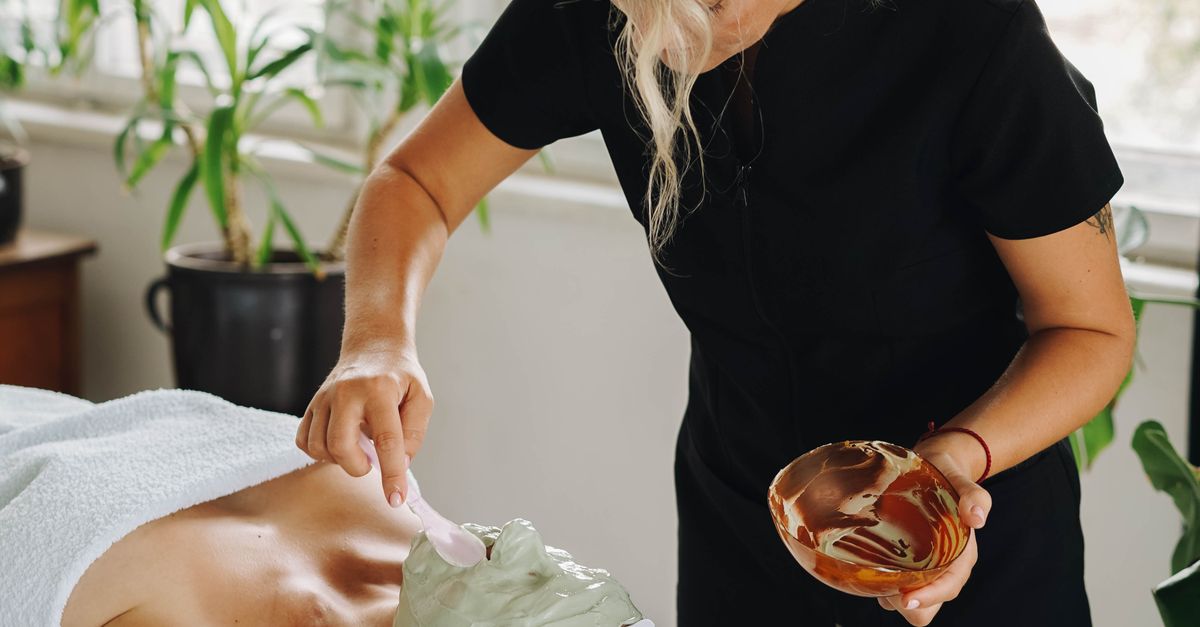
On the other hand, professional hydrating treatments tend to provide more intensive and targeted skincare solutions. A trained aesthetician or dermatologist can assess individual skin needs and apply specialised products that may not be available for at-home use. These treatments often utilise advanced techniques, such as microdermabrasion or LED therapy, which can enhance hydration and promote overall skin health more effectively than typical over-the-counter options. However, they usually involve higher costs and time commitments compared to at-home alternatives.
Pros and Cons of Each Option
At-home hydrating treatments often provide convenience and cost-effectiveness. Individuals can easily incorporate these treatments into their skincare routines without needing to travel to a salon. A wide range of products is available in stores, making it accessible for various skin types. However, the effectiveness of these treatments can vary based on product quality and user technique. In some cases, results may not be as pronounced as those achieved through professional sessions.
Professional hydrating facials typically deliver more intensive hydration due to the use of advanced techniques and high-quality products. A trained aesthetician can assess individual skin needs, tailoring treatments to address specific issues and providing immediate results. On the downside, these treatments can be cost-prohibitive and may require a time commitment that some individuals find challenging. The necessity of scheduling appointments can also complicate regular skincare routines.
Incorporating Hydrating Facials into Your Routine
Integrating hydrating facials into your skincare routine can significantly enhance your skin's moisture levels and overall appearance. Regular treatments help replenish lost hydration, making your complexion look fresher and more luminous. For optimal results, consider aligning these facials with your skin's needs, such as seasonal changes or specific concerns like dryness or dullness. Tailoring the frequency of treatments based on your skin’s response is essential for achieving the best outcomes.
Home treatments can complement professional facials effectively. Using hydrating masks or serums in between visits helps maintain the benefits of professional treatments. Aim to create a consistent schedule, perhaps incorporating a hydrating facial every four to six weeks, while adjusting this frequency according to how your skin reacts. This balanced approach can lead to longer-lasting hydration and a brighter complexion over time.
Frequency Recommendations for Optimal Results
For best results, incorporating hydrating facials into your skincare routine requires a mindful approach to frequency. Generally, receiving a professional treatment every four to six weeks allows the skin to replenish and maintain its moisture balance while benefiting from the deep penetration of ingredients. This interval provides enough time for skin cell turnover, encouraging the absorption of vital nutrients without overwhelming the skin.
At-home treatments can be integrated more frequently to maintain hydration levels between professional sessions. Using hydrating masks or applying serums two to three times a week can enhance the effects of the more intensive treatments. Observing your skin's response is crucial; adjust the frequency based on its condition and specific needs. Consistency is key, ensuring that your skin stays refreshed and glowing.
FAQS
What are hydrating facial treatments?
Hydrating facial treatments are skincare procedures designed to boost the moisture levels in your skin, often utilising humectants, serums, and masks to achieve a plump and glowing complexion.
How often should I get a hydrating facial?
For optimal results, it is generally recommended to receive hydrating facials every 4 to 6 weeks, but this can vary based on your skin type and needs.
Can I perform hydrating facials at home?
Yes, you can perform hydrating facials at home using hydrating masks and products containing humectants, though professional treatments may provide more intensive hydration.
What are the benefits of using humectants in hydrating facials?
Humectants attract moisture to the skin, helping to keep it hydrated, plump, and youthful. They can also improve the overall texture and appearance of the skin.
Are there any side effects of hydrating facials?
Generally, hydrating facials are safe for most skin types. However, some individuals may experience temporary redness or irritation, especially if they have sensitive skin. It’s best to consult a professional if you have concerns.
Related Links
How to Choose the Right Facial Treatment for Your Skin TypeExploring the Best Anti-Ageing Facial Techniques at Gold Coast Day Spas
Achieving Radiant Skin with Collagen-Boosting Facial Treatments
Understanding the Role of Exfoliation in Facial Treatments
Innovative Ingredients in Modern Facial Treatments