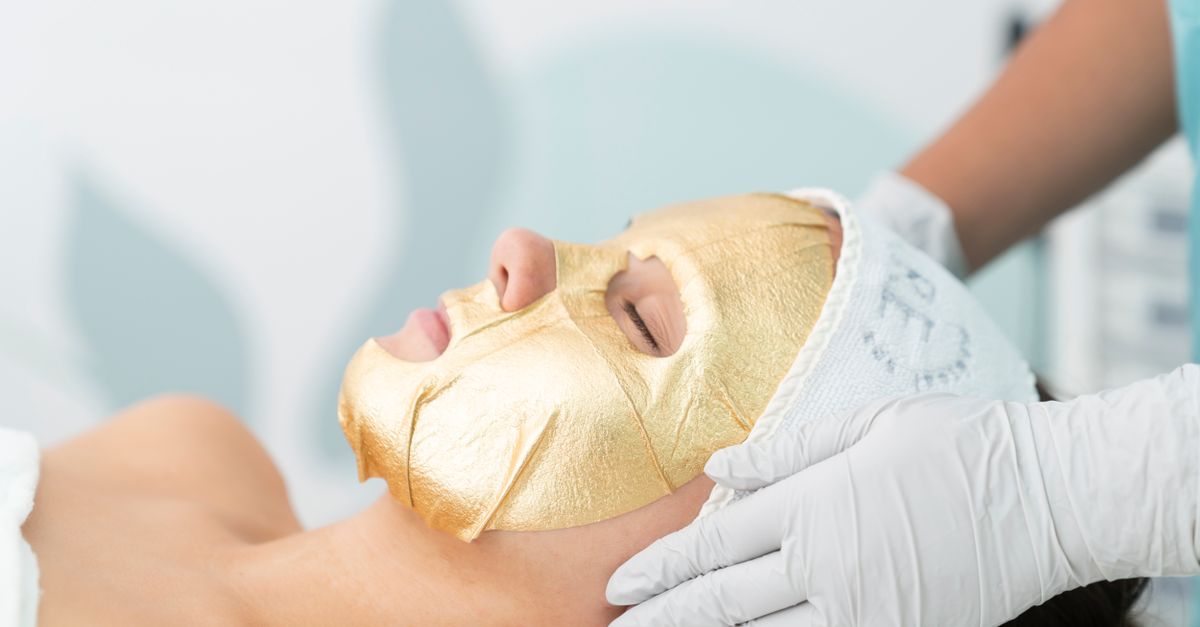
Therapeutic Body Wraps to Nourish and Hydrate
Table Of Contents
At-Home vs. Spa Treatments
At-home therapeutic body wraps provide convenience and flexibility. Individuals can easily tailor treatments to suit personal preferences and schedules. A variety of recipes and products are available, ensuring options for different skin types and desired benefits. Additionally, at-home wraps can be more budget-friendly, allowing for frequent indulgence without the hefty cost associated with spa visits.
Spa treatments, on the other hand, offer a professional touch. Trained therapists can assess skin conditions and recommend specific treatments. Spa environments often enhance the experience with calming atmospheres and additional pampering services. High-quality products used in spas may contain potent ingredients that optimise hydration and nourishment, which can be difficult to replicate at home.
Pros and Cons of Each Approach
At-home treatments offer convenience and flexibility. Individuals can easily incorporate body wraps into their routine without the need for bookings or travel. The ability to choose products based on personal preferences also adds a custom touch. However, the results may vary significantly depending on the quality of the chosen products and application techniques. Without guidance from professionals, there is a risk of not achieving optimal results.
On the other hand, spa treatments often provide a more luxurious experience with access to high-quality products and expert application techniques. Professionals can tailor treatments to individual skin types, leading to enhanced outcomes. Nevertheless, spa visits require more time and financial investment. Scheduling can also be a challenge for those with busy lifestyles, making regular visits less feasible.
Frequency of Treatments
The benefits of therapeutic body wraps are best realised when incorporating them into a consistent routine. For those seeking to maintain hydration and nourish their skin, scheduling treatments every two to four weeks is often recommended. This frequency allows the skin ample time to absorb the nutrients and recover from the application. Individual skin types and personal goals may warrant adjustments; some individuals may find a monthly treatment sufficient, while others with specific concerns could benefit from more regular sessions.
In addition to professional treatments, at-home wraps can be incorporated into a skincare schedule. These can serve as a complement between spa visits, helping to sustain hydration levels and address any immediate skin needs. Using at-home products weekly or bi-weekly can enhance results while providing a convenient option for ongoing skincare. Each person's lifestyle and preferences will play a crucial role in determining the ideal frequency, ensuring the approach feels sustainable and enjoyable.
How Often Should You Indulge?
The frequency of therapeutic body wraps often depends on individual skin needs and lifestyle. Many wellness experts recommend indulging in a wrap every four to six weeks for optimal results. This timeframe allows the skin to rejuvenate and absorb nourishment effectively without overwhelming it. Those with specific skin concerns, such as dryness or elasticity issues, might find benefit in more frequent treatments, possibly even every two to three weeks.
For individuals seeking a more pampering experience, incorporating wraps into a self-care routine can also be enjoyable. However, it is important to listen to one’s body and monitor skin reactions. Overdoing these treatments can lead to irritation or diminished benefits. Ultimately, finding the right balance will enhance both the experience and the results.
Ensuring Skin Health Post-Wrap
After indulging in a therapeutic body wrap, maintaining skin health is essential for prolonging the benefits of the treatment. Hydration should be a top priority. Drinking plenty of water helps to replenish the body and enhances the skin's ability to retain moisture. Additionally, applying a rich moisturiser or body lotion immediately after rinsing off the wrap can lock in hydration and create a protective barrier against environmental stressors.
It's important to be gentle with your skin in the days following a wrap. Avoid hot showers or baths, as they can strip away essential oils and moisture. Instead, opt for lukewarm water and limit exposure to harsh soaps. Exfoliation should be approached with caution, keeping it to a minimum. Providing your skin with adequate rest and nourishment after a wrap allows it to recover fully and maintain a healthy glow.
Aftercare Tips for Optimal Hydration
Hydration after a body wrap is crucial to maximise its benefits. Drinking plenty of water aids in flushing out toxins released during the treatment while replenishing lost moisture. Incorporating hydrating foods such as fruits and vegetables into your diet can further enhance skin health. Consider herbal teas or coconut water for added electrolytes, promoting a well-rounded approach to hydration.
Post-treatment, it’s essential to apply a nourishing lotion or oil to maintain moisture levels in the skin. Look for products rich in ingredients like shea butter, hyaluronic acid, or natural oils such as almond or jojoba. Gently massaging these into your skin can improve absorption and promote a healthy glow. Avoid hot showers or baths immediately after the wrap, as they may strip away hydration instead of locking it in.
FAQS
What are therapeutic body wraps?
Therapeutic body wraps are treatments that involve applying a mixture of nourishing ingredients to the skin and then wrapping the body to enhance absorption and hydration. They often aim to improve skin texture, promote relaxation, and detoxify the body.
Can I perform body wraps at home, or should I go to a spa?
Both options are viable. At-home body wraps can be convenient and cost-effective, while spa treatments often provide professional expertise and a more luxurious experience. The choice depends on your personal preference and budget.
How often should I get a body wrap?
The frequency of body wraps can vary based on individual skin needs. Generally, it is recommended to indulge in a body wrap every 1 to 3 weeks for optimal results. However, you should listen to your skin and adjust accordingly.
What should I do after a body wrap to maintain skin health?
After a body wrap, it's essential to hydrate your skin by drinking plenty of water and applying moisturiser. Avoid hot showers and harsh soaps for at least 24 hours to maximise the benefits of the wrap.
Are there any potential side effects of body wraps?
While body wraps are generally safe, some individuals may experience allergic reactions to certain ingredients, skin irritation, or dehydration if not properly hydrated post-treatment. It's best to patch test any new products and consult with a professional if unsure.
Related Links
Deep Tissue Body Treatments for Muscle ReliefInnovative Treatments for Cellulite Reduction
Signature Organic Body Treatments at Gold Coast Spas
Hydrating Body Treatments for Dry Skin
Rejuvenating Body Polishes for Skin Renewal
Detoxifying Mud Wraps for Purification